500 Hour  Yoga Teacher Training in Rishikesh, India

About the 500 Hour Yoga Teacher Training in Rishikesh

Learn, grow, and transform your yoga practice from beginner to advanced in just 59 days with our 500 hour yoga teacher training in Rishikesh.

This course will reward you with in-depth knowledge of Yoga and help you build confidence and personality to become a Yoga master.

This Yoga Teacher Training refines your practice, correcting even the smallest flaws in asanas, and guides you to become a skilled Yog Guru with deep yogic knowledge.

The 500 Hour Yoga TTC in Rishikesh combines the 200-Hour & 300 Hour YTTC, both designed to foster continuous learning. After completing the first semester (200-Hour YTTC), there is a 7-day break period in which you will be able to rest and internalise the information you've learned, while exploring the island's natural beauty and cultural richness.

  • Personal TransformationPersonal Transformation
  • Expand and Deepen PracticeExpand & Deepen Your Practice
  • Strong Yoga FoundationStrong Yogic Foundation

RYT-Certified Teachers

All of our teachers are RYT certified, and the most senior one carries more than a decade of experience as a yoga teacher - you can rest assured that you are receiving top-rated yoga instruction at Rishikesh Yoga Center.

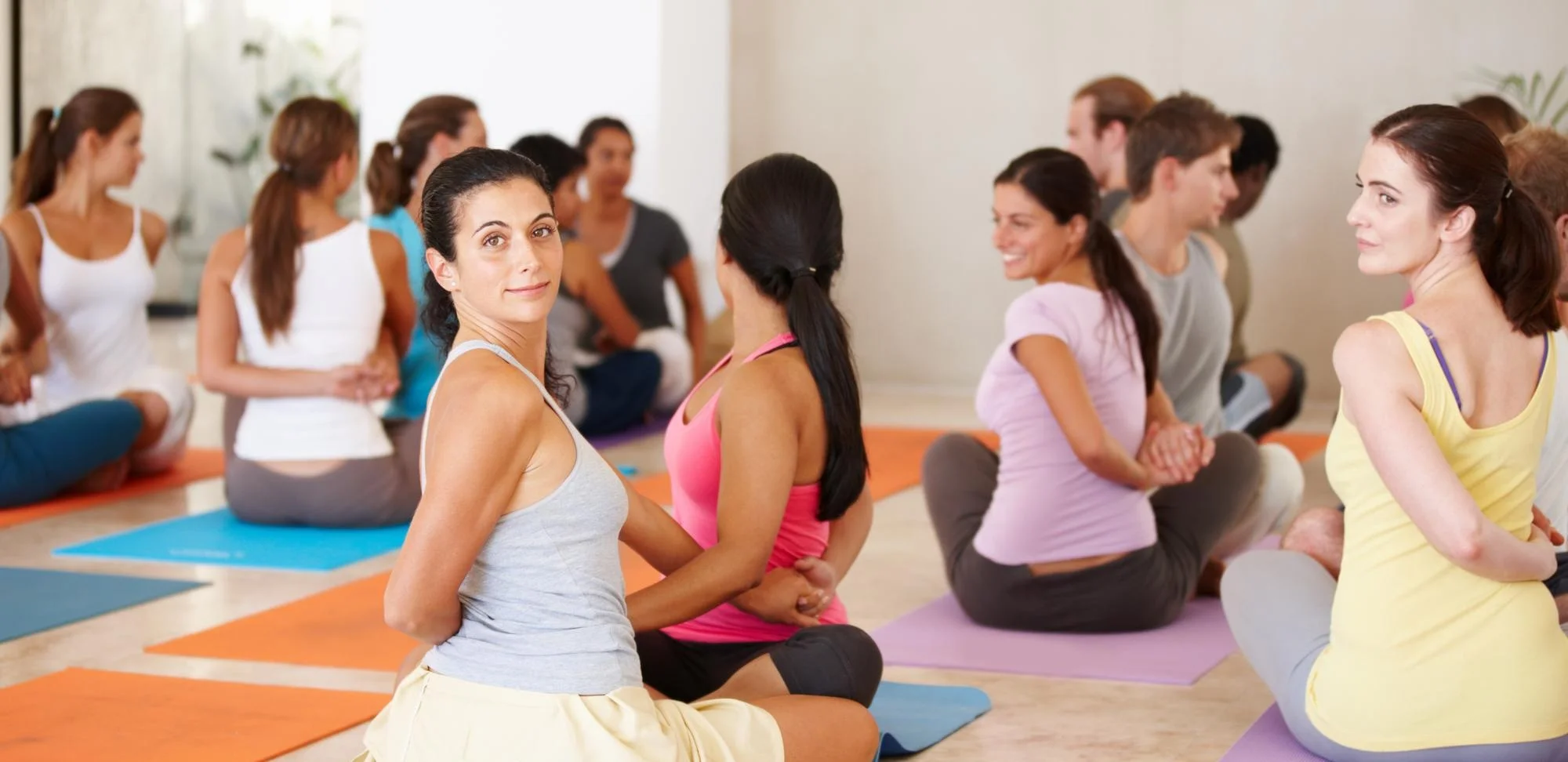
Small Batch Sizes :  Our batch sizes are intentionally kept small (20 to 25) to ensure individual attention and healthy interaction, because we believe this creates a focused, supportive, and engaging learning environment.
Comprehensive and Advanced Curriculum

Our course has a well-structured in-depth syllabus that covers all aspects of yoga, from the basics to the advanced. It helps you to understand yoga's true potential, develop practical skills and techniques and naturally gain the confidence needed to teach effectively.

Advantages of Semester Break :  Normally, there will be a 6- 7-day gap between the first and second semesters, which is your time to rest, quiet contemplation or explore Rishikesh on your own. During this short break, the school will take care of everything for you, including accommodation and food expenses. This way you can have time to relax, gather strength, and report back, fresh in body and spirit, at the beginning of the next term.

Our Teaching Approach

We're constantly refining our teaching to give you the best learning experience. By listening to student feedback and encouraging open interaction, we create lessons through storytelling, discussions and hands-on activities that are easy to understand, relatable and valuable in everyday life.

Open-Door Policy : Even after you complete your training, we remain committed to your journey and provide the support you need, whether it's guidance, honest feedback or helpful reference. Your growth as a teacher is important to us and we'll be with you every step of your journey.

We Focus on Overall Growth : Rishikesh Yoga Center professional yoga teachers are skilled at creating a safe learning environment to enhance your yoga practice. We focus on developing the potential of all our students – through personal attention, open discussion, thought-providing guidance and shared learning.

Course Syllabus

500 Hour Yoga Teacher Training Course Syllabus

At Rishikesh Yoga Center, both sessions, 200-hour YTTC & 300-hour YTTC, cover multistyle yoga; each style has its own benefits and importance to complete the 500-hour YTTC.

200 Hour YTTC Syllabus

Ashtanga Yoga Postures

In the 200-Hour Yoga TTC, we introduce students to the primary series of Ashtanga Yoga as created by K. Pattabhi Jois. Students learn the basics and are guided through the full series systematically according to traditional Ashtanga practice:

Week 1: Introduction to Ashtanga Yoga, Sun Salutation A & B

Week 3: Seated postures and finishing postures

Week 2: Standing postures and use of yoga props

Week 3: Seated postures and finishing postures

Week 4: Independent practice with supervision and teaching practice

Hatha Yoga & Vinyasa Flow

Week 1 – Foundations & Core Asanas

  • Pawanmuktasana Series A, B & C
  • Sun Salutations (Hatha A & B)
  • Standing Postures: Trikonasana, Parsvakonasana, Parivritta Parsvakonasana, Virabhadrasana A & B, Ardha Chandrasana
  • Sitting Postures: Bhardwajasana, Merudanda Vakrasana, Ardha Matsyendrasana
  • Backbends & Core: Ardha Ustrasana, Bhujangasana, Ardha Shalabhasana
  • Forward bends: Paschimottanasana, Janu Sirsasana, Purvottanasana
  • Balancing: Vrikshasana, Natarajasan

Week 2 – Strength, Balance & Backbends
  • Standing & Balancing:  Virabhadrasana A, B & C, Garudasana, Utthita Hasta Padangusthasana A & B
  • Sitting Postures:  Marichyasana A, B & C
  • Backbends:  Ustrasana, Rajakapottasana, Dhanurasana, Chakrasana, Setu Bandhasana
  • Forward bends:  Triang Mukha Eka Pada Paschimottanasana, Gatyamal Paschimottanasana
  • Inversions & Core:  Sarvangasana

Week 3 –  Advanced Practice & Teaching Skills
  • Sun Salutations A, B & C
  • Advanced standing postures and sequencing practice
  • Arm balances:  Bakasana, Mayurasana, Eka Pada Bakasana, Parsva Bakasana, Astavakrasana, Kaundinyasan
  • Inversions: Sarvangasana, Sirsasana, Halasana, Karnapidasana, Matsyasan
  • Relaxation: Savasana
  • Teaching practice & class sequencing
Yoga Philosophy
  • Introduction, evolution, and key concepts of Yoga
  • Yoga Sutras of Patanjali & the Four Padas
  • Nadis (Ida, Pingala, Sushumna) and Chakras
  • Hatha Yoga limbs: Shatkarma, Asana, Pranayama, etc.
  • Yog Darshan (Yoga Philosophy) & Eight Limbs of Ashtanga Yoga
  • Pancha Vayus & Panchakoshas
  • Triguna: Sattva, Rajas & Tamas
  • Three Ages & inspiring lives of yogis
  • Introduction to Vedas
  • Q&A sessions
Anatomy & Physiology
  • Body movements & planes, joints and protection
  • Muscles: structure, physiology, and function
  • Anatomy of the ankle, knee, hip, spine, and shoulder
  • Breathing mechanism in yoga
  • Workshops on different asanas
  • Introduction to mudras & bandhas
  • Physiology of digestion, food & digestive system
  • Basics of the respiratory and nervous systems
Pranayama – Breathing Practices
  • Introduction to Pranayama, Shatkarma, and meditative poses
  • Benefits of Pranayama and general guidelines
  • Introduction to mudras
  • Breathing techniques: Clavicular, Thoracic, Diaphragmatic, Yogic
  • Specific Pranayamas: Ujjayi, Bhastrika, Kapalabhati, Nadi Sodhana, Bhramari, Surya Bhedi, Chandra Bhedi, Sheetali, Sheetkari
Asana Alignment & Adjustment
  • Fundamentals and importance of body alignment
  • Alignment for standing, seated, backwards bends, forward bends, twists, and inverted postures
  • How to perform poses correctly, common mistakes, precautions, and contraindications
  • Benefits and modifications of poses
  • Verbal and hands-on adjustments
Meditation
  • Introduction to meditation: purpose, benefits, and common obstacles
  • Role of concentration and tips to develop focus
  • Meditation on body and breath
  • Various Techniques: Om/Mantra Meditation, Antar & Bahir, Trataka, Osho Dynamic Meditation
  • Silence and Mindfulness Practices: Japa Meditation, Ajapa Japa, Antar Mouna, Nada Brahma
  • Practical tips for regular meditation practice
Teaching Methodology
  • How to plan and organise a yoga class
  • Using breath and posture to create smooth sequences
  • Helping and adjusting students of different levels
  • How to give instructions clearly and use your voice effectively
  • Building trust, friendship, and positive communication with students
  • Time management and preparing the class step by step
  • Qualities of a good teacher and being mentally ready to teach
Bandha Practice (Energy Locks)

Discover the bandhas (energy locks) and how to engage them in asana, pranayama, and meditation safely. This helps in understanding what is happening inside and in regulating energy.

Certification & Assessment

The course culminates in written examinations, practical asana tests and the demonstration of teaching skills. Upon successful completion, students are awarded a globally recognised Yoga Alliance RYT 200 certification to teach yoga worldwide.

300 Hour YTTC Syllabus

Asanas ("Yogic Postures or Movements") (3 hours a day)
  • Tadasana (Mountain Pose)
  • Trikonasana (Triangle Pose)
  • Virabhadrasana I (Warrior I Pose)
  • Virabhadrasana II (Warrior II Pose)
  • Parsvakonasana (Side Angle Pose)
  • Prasarita Padottanasana (Wide-Legged Forward Bend)
  • Uttanasana (Standing Forward Bend)
  • Adho Mukha Svanasana (Downward-Facing Dog)
  • Balasana (Child's Pose)
  • Bhujangasana (Cobra Pose)
  • Dhanurasana (Bow Pose)
  • Setu Bandha Sarvangasana (Bridge Pose)
  • Salabhasana (Locust Pose)
  • Ustrasana (Camel Pose)
  • Paschimottanasana (Seated Forward Bend)
Pranayama (Breathing Exercise)
  • Revisiting the fundamentals and exploring deeper aspects of Pranayama
  • Anatomy of Breathing
  • Nadi Shodhana Pranayama (Alternate Nostril Breathing)
  • Kapalabhati Pranayama (Skull Shining Breathing)
  • Ujjayi Pranayama (Victorious Breath)
  • Bhramari Pranayama (Bee Breath)
  • Sheetali Pranayama (Cooling Breath)
  • Sheetkari Pranayama (Hissing Breath)
  • Bandhas (Energy Locks)
  • Mudras (Gestures)
Meditation
  • At Rishikesh Yoga Center, you will learn four types of meditation styles: Traditional Himalayan Meditation, Healing Meditation, Crystal Meditation, and Sound Meditation.
  • Advanced exploration of meditation and its benefits
  • Types of meditation: concentration, mindfulness, loving-kindness, etc.
  • Techniques of meditation: breath awareness, body scanning, visualisation, mantras, and much more.
  • Practice of meditation: sitting, walking, standing, lying down, and other ways.
  • Obstacles in meditation and ways to overcome them
  • Creating a personal meditation practice
  • Teaching meditation to others: communication, instruction, sequencing, etc.
  • Incorporating meditation into yoga classes
  • The importance of meditation in daily life: developing mindfulness, stress reduction, emotional balance, etc.
Mantra Chanting
  • Benefits of Mantra Chanting
  • Basics of the Sanskrit Language
  • Effective Mantras
  • Mantras for Meditation
  • Bhakti Yoga
  • Group Chanting
  • Mantra Therapy
  • Integrating Mantra Chanting in Yoga Classes
Anatomy and Physiology
  • Advanced exploration of Human Anatomy and Physiology -  with detailed techniques and applications of how the body works.
  • The Skeletal System – Its role in supporting posture and alignment in yoga.
  • The Muscular System – How muscles help in movement, strength, and stability during practice.
  • The Respiratory System - The importance of the breath and its association with pranayama techniques.
  • The Nervous System – Its Impact on Focus, Relaxation and Meditation.
  • The Circulatory System - Energise Your Life – Mind-Body Wellness in the Fitness Centre The circulatory system: Boosting energy and vitality with yoga.
  • The Digestive System: Its relationship to nutrition, diet, and digestive health for yoga students.
  • Same technique, different injuries – A look at common wounds and how not to get hurt while practising.
  • Adaptations & Variations – Making Yoga Poses Accessible for Every Body, regardless of body strength.
Alignment and Adjustment
  • Strengthening Fundamentals of Alignment and Adjustment
  • Essential Positions of Yoga and Their Alignment
  • Average Misalignments and Injuries in Yoga
  • Modifying and Helping People in Postures
  • The Ethics of Touch and Adjustments in Yoga
  • Advanced Asanas and Adjustments
  • Sequencing and Teaching with Alignment
  • Practice Teaching and Feedback
  • Review and Integration
Yoga Philosophy
  • Deepening Understanding of Yoga Philosophy –  What yoga is, and how it applies today.
  • Patanjali's Yoga Sutras –  Studying pivotal teachings and how they apply to daily life.
  • The Eight Limbs of Yoga –  Taking its limbs into practice at home.
  • The Three Gunas –  What They Mean for Human Behaviour.
  • Karma –  Understanding what it's all about and how it fits into your life.
  • Ayurveda 101 –  Learning to balance the Ayurvedic principles with yoga philosophy.
  • The Chakra System –  Investigating energy centres and how they contribute toward a yoga practice
  • Yoga Traditions –  Learning the specifics of various types of yoga and their philosophical aspects.
Mudra and Bandhas

In yoga, mudras are hand gestures that shape and channel the flow of energy in your body.

  • Expanded Practice of Mudras & Bandhas
  • The Types and Benefits: Hand, Head, Postural, Lock and Perineal Variety of techniques in doing Mudras & Bandhas in Yoga.
  • Basic Anatomy & Physiology Behind It
  • Techniques & Practice
  • Precautions & Contraindications
  • Teaching Methodology & Practice
  • Integration into Yoga Sequences
Shatkarmas

  • Shatkarmas – These are six yogic purification techniques that cleanse the body, remove toxins, and enhance the flow of prana (life energy) to the organs.
  • Neti (Special Nasal Cleansing) – Stretches the sinuses; relieves headaches and fatigue.
  • Variations:  Jala Neti (using water), Sutra Neti (using a thread).
  • Dhauti (Cleansing of the Digestive Tract) – Purges the stomach and intestines.
  • Nauli (Abdominal Massage) – This exercise strengthens the abdominal muscles while massaging them.
  • Basti (Colon Cleansing) – Clears the colon and enhances digestion.
  • Kapalabhati (Breath) cleans and clears the respiratory tract and activates the whole organism.
  • Trataka (Meditative Gazing) – Improves concentration and mental clarity.
  • Types: Candle flame trataka & black dot trataka.
The Business of Yoga

  • Learn to build workshops,
  • Creation of a personal brand,
  • Diversify your offerings to grow in the yoga world.
Teaching Methodology

  • How to sequence a class effectively
  • How to coordinate breath and posture for a smooth practice
  • How to adjust postures safely
  • How to teach students at different levels
  • How to cue and instruct clearly
  • Building positive communication, trust, and connection
  • Time management during classes
  • Key qualities of a successful teacher
  • Principles of demonstration and observation
  • Assisting and correcting students properly
  • Using your voice effectively in class
  • Mental and emotional preparation for teaching
  • Class preparation and planning step by step
Certification and Assessment

  • Theory Assessment: Through written exercises and quizzes.
  • Practical Assessment:  Performing asanas (yoga poses).
  • Teaching Assessment:  Demonstrating teaching skills in a classroom setting.
  • Certification: After completing the course, students can register for an internationally recognised Yoga Alliance certificate.

Here, each day is a step closer to yourself.

Inside a Day at Rishikesh Yoga Center

  • 06:25 – 06:40Herbal Tea
  • 06:40 – 08:10Ashtanga Yoga
  • 08:25 – 09:25Pranayama
  • 09:25 – 10:25Breakfast
  • 10:45 – 11:45Philosophy
  • 12:00 – 13:00Adjustment & Alignment
  • 13:00 – 14:00Lunch
  • 15:00 – 16:00Mantra
  • 16:00 – 16:15Drink Break
  • 16:15 – 17:45Hatha Yoga
  • 18:00 – 19:00Meditation / Yoga Nidra
  • 19:00 – 20:00Dinner
  • 20:00 – 21:00Self Study
  • 22:00Lights Off

Note: The schedule can be customised based on the specific requirements of the 200-hour or 300-hour YTTC

Simple, serene accommodation and sattvic meals to enhance your yoga practice

Rishikesh Yoga Center accommodation & Food

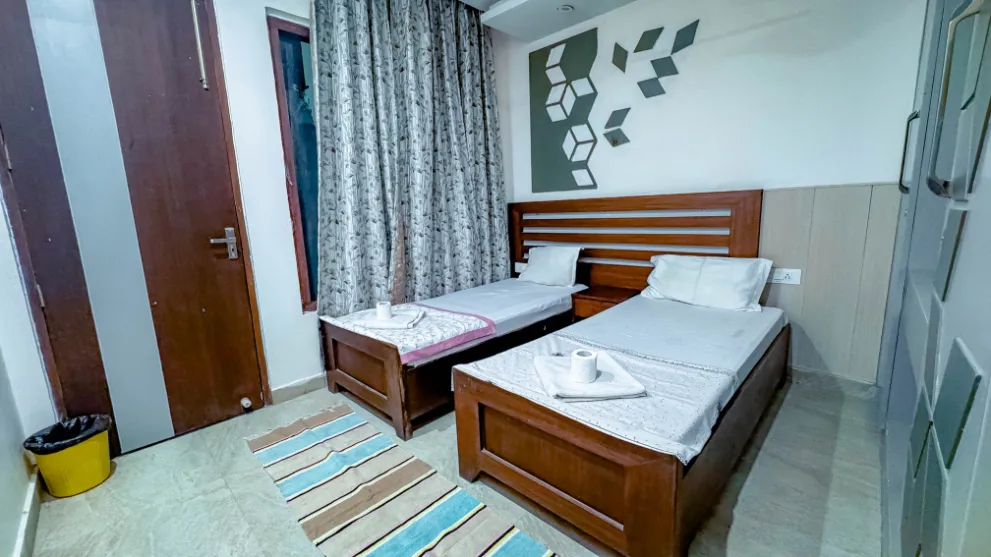
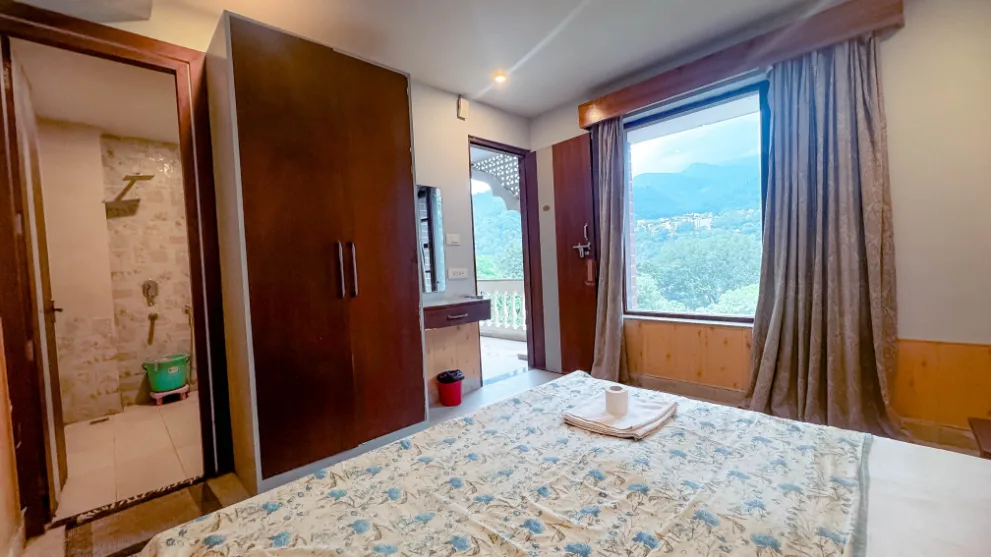
Private room
Balcony
Shared room
Ensuite bathroom
Accommodation
  • Private & shared rooms with an ensuite bathroom
  • Communal lounge for socialising
  • Modern amenities
  • Stunning views of Rishikesh
  • Smoke-free property
Sattvic Food
  • 3 meals a day (100% Vegetarian)
  • Fresh seasonal vegetables and fruits
  • Ayurvedic (Sattvic) inspired cuisine
  • Filtered water and detox juices
  • Other dietary requirements on request
Sattvic meal
Fresh vegetables
Vegetarian cuisine
Detox juice

Eligibility
  • Age: 18 and above
  • 200 Hour YTTC
  • Language: Simple English for Easy Learning
  • Dedication: A commitment to practice throughout the course
Easy to Access
  • Cafes and restaurants nearby
  • Local markets in Rishikesh
  • Art galleries and cultural sites
  • Convenience stores nearby
  • Indian cultural experiences
  • Tour agencies nearby
Yoga Styles You Will Learn in a 500 Hour Yoga Teaching Course  in RishikeshHatha Yoga

Known as the mother of all yogas, hatha represents the basis for many styles. It stresses the body and mind, postures, breath, and relaxation; the uniting of sun energy with moon forces.

Yin Yoga

Practised slowly and with long-duration poses that target deeper tissues such as ligaments and connective tissue. It helps to relieve tension, increase energy flow and flexibility.

Restorative Yoga

Gentle form of yoga in which the body is supported with props. The focus is on achieving a state of deep relaxation and release from stress, making it the perfect way to still the mind.

Ashtanga Vinyasa Yoga

A dynamic and powerful style that joins movement with breath. Building strength, endurance, flexibility and technique, as well as teaching safe sequences for all levels of ability.

Vinyasa Yoga

In Sanskrit, “vinyasa” means deliberate sequence. This dynamic style paces movement with breathing in fast rhythms, improving physical strength and mental clarity; at the same time, it preserves both yoga's traditional roots.

Advanced, Certified Yoga Training Programs

Your Trusted Partner in Rishikesh

Yoga Alliance Certified School (RYS)

Earn a globally recognised certification that empowers you to teach yoga anywhere in the world.

Experienced Yoga Teachers

Learn from RYT (Register Yoga Teachers) and highly skilled, fully qualified instructors who guide you with expertise and care.

Affordable 300 YTT Rishikesh

Access genuine, high-quality yoga training at an affordable price without compromising the quality of the course.

Small Group Size for Individual Attention

Receive personalised guidance and support in small classes that nurture your growth and confidence.

Comprehensive & Advanced Curriculum

Master postures, philosophy, meditation, anatomy, and teaching techniques to become a confident and effective yoga teacher.

International Community

Connect and grow with students from around the world in a warm, multicultural, and inspiring environment.

We Focus on Overall Growth

Enhance your practice and teaching skills in a safe, inclusive space that encourages self-discovery and collective learning.

Our mission

Yoga Styles You Will Learn in a 500 Hour Yoga Teaching Course in Rishikesh

  • Hatha Yoga -  Known as the mother of all yogas, hatha represents the basis for many styles. It stresses the body and mind, postures, breath, and relaxation; the uniting of sun energy with moon forces.
  • Yin Yoga -  Practised slowly and with long-duration poses that target deeper tissues such as ligaments and connective tissue. It helps to relieve tension, increase energy flow and flexibility.
  • Restorative Yoga -  Gentle form of yoga in which the body is supported with props. The focus is on achieving a state of deep relaxation and release from stress, making it the perfect way to still the mind.
  • Ashtanga Vinyasa Yoga -  A dynamic and powerful style that joins movement with breath. Building strength, endurance, flexibility and technique, as well as teaching safe sequences for all levels of ability.
  • Vinyasa Yoga -  In Sanskrit, “vinyasa” means deliberate sequence. This dynamic style paces movement with breathing in fast rhythms, improving physical strength and mental clarity; at the same time, it preserves both yoga's traditional roots.
Plan Your Training

Upcoming Batches & Course Fees

Available BatchesApr, Aug, Nov - 2026, Jan - 2027
Course TimelineThe course begins on the 7th of the month and concludes on the 3rd of the following month.
Course LanguageEnglish
Available Dates
  • 7th April - 3rd June 2026
  • 7th Aug - 3rd Oct 2026
  • 7th Nov 2026 - 3rd Jan 2027
  • 7th Dec 2026 - 3rd Feb 2027
Single Room
International:$2,700

Indian:₹1,32,000
Shared Room
International:$2,400

Indian:₹1,10,000

Secure your seat with 20% Advance Deposit (Non-Refundable), remaining balance payable on arrival.

Prerequisites
  • To ensure a focused, smooth, and enriching learning experience, participants are expected to follow the course guidelines.
  • True progress in this course requires self-motivation, dedication, and a sincere commitment to learning.
  • For the benefit of your practice, the consumption of meat, fish, eggs, alcohol, tobacco, narcotics, and public nudity is strictly prohibited, as these may hinder your yoga journey.
Rules for Students
  • Dietary: If you are fasting, please inform the head chef to avoid food waste.
  • Respect and discipline: Always remember to be respectful to your instructors, keep good discipline in class and follow all course rules.
  • Time management and concentration: Be on time to begin each session with a peaceful, attentive mind!
Refund Policy
  • Advance Booking: At the time of booking, you are required to pay 20% of the total fees in advance, which is part of your YTTC costs.
  • Flexible Service Use: The booking amount is non-refundable and non-adjustable; however, you can use it toward your future YTTC plan at any time within 12 months.

What Does The Course Fee Include?

  • Twin Shared or Private accommodation
  • Rooms with hot water, attached bath & toilet
  • Unlimited free high-speed wi-fi internet connection
  • Daily nutritious vegetarian meals thrice a day
  • Yoga mat, course books and course manual.
  • Yogic cleansing material
  • Weekend excursion
  • Weekday events (Cooking class, kirtan night events, special yoga classes)

What Is Not Included

  • Travel costs to and from the yoga institute
  • Optional activities or trips
  • Personal expenses such as laundry, phone, and extra meals.
  • Extra stay beyond course dates
  • Spa & other luxury services
  • Anything that is not mentioned on the page

What to Bring

  • Yoga mats available: optional to bring yours
  • Bring personal hygiene items and equipment.
  • Light jacket or shawl for meditation or cooler weather.
  • Comfortable footwear and a personal water bottle.
  • Comfortable clothes for yoga practice.
  • A bath towel & soap
  • Medications and a small travel first-aid kit, if needed.
Real experiences from our 500-hour YTTC graduates

What Our Students Say

"Completing my 500-hour YTT at Rishikesh Yoga Center was a truly transformative experience. The teachers are highly experienced, and the advanced daily practices helped deepen my understanding of yoga. I felt supported, challenged, and inspired throughout the journey, and I highly recommend this school to anyone looking to elevate their yoga practice and teaching skills."

Anjali Sharma
Anjali Sharma

500hr Yoga Teacher Training, Rishikesh Yoga Center

“The 500 Hour YTTC program at Rishikesh Yoga Center exceeded all my expectations. The teachers' advanced guidance and the peaceful environment of Rishikeshmade this journey truly transformative. I now feel deeply confident, skilled, and inspired to teach yoga at a higher level.”

Rohan Mehta
Rohan Mehta

500hr Yoga Teacher, Rishikesh Yoga Center

"Rishikesh Yoga Center provides a deeply enriching and advanced yoga learning experience. Completing my 500-hour YTT here refined my teaching skills, strengthened my practice, and expanded my understanding of yoga philosophy. The supportive teachers and peaceful Rishikeshsetting made this journey truly inspiring."

Priya Kapoor
Priya Kapoor

500hr Yoga Teacher, Rishikesh Yoga Center

Over 500 students have completed their 500hr YTT at Rishikesh Yoga Center. All testimonials are from real students who trained with us.

Your questions about 500-hour YTTC answered

FAQs on 500 Hour YTTC

What can I gain from a 500 hour yoga teacher training?

The 500-hour Yoga TTC is for anyone prepared fully to engage in two months of intense practice, whether a beginner or an advanced practitioner. The program starts with a 200-Hour Yoga TTC in the first month to establish your foundation, then continues with a 300-Hour Yoga TTC in the second month to deepen your practice. Upon successful completion, students will be qualified as an RYT 500 – an advanced yoga teaching certificate.

How long does it take to complete 500 Hour training for yoga instructors?

The 500-Hour Yoga Teacher Training includes 21 days of 200-Hour YTTC, followed by a 7-day break before the 25-day 300-Hour YTTC begins. This brings the total program duration to 53 days and nights for our all-inclusive, fee-paying students.

Is there a gap between 200 and 300 Hours of training? If so, will it cover the food and accommodation?

Yes, after the 200 Hour YTTC, there is a 6-day break before the 300 Hour training course begins. During this period, the school will provide meals, accommodation, and all the basic necessities that were provided at the beginning.

Will the 300 Hour course use the same syllabus as the 200 Hour training?

At the start of the 300 Hour YTTC, the main points from the 200 Hour course are reviewed briefly to provide clarity and continuity. The teaching is then moved on into advanced techniques, deeper philosophy, and higher-level teaching skills.

Do I need prior yoga experience to join the 500 Hour Yoga Teacher Training Course?

At Rishikesh Yoga Center, you dont need any teaching experience to join the 500-hour YTTC. Still, it would be helpful if you're familiar with yoga, as it will make your transition to an intensive learning style much more comfortable.

10-step guide to choosing the best Yoga Teacher TrainingGet your Free Guide

5 Out Of 5 Stars

Exceptional Rating
5.0

1241+ Total Reviews

At Rishikesh Yoga Center, we believe there’s no substitute for experience — only dedication, authenticity, and heart. Over the past 8+ years, we’ve guided more than 7000 students from 90+ countries through 174+ yoga teacher trainings. Their stories inspire us every day — stories of transformation, healing, and awakening. Our students’ love and exceptional ratings across all platforms reflect genuine connection, wisdom, and community.

Chat on WhatsApp